Cancer & Biochemistry
Enjoy Dr. Huber’s extensive video series discussing the biochemistry surrounding cancer.
The nutrients discussed below form the basis of our nutrient infusions.
Enjoy Dr. Huber’s extensive video series discussing the biochemistry surrounding cancer.
The nutrients discussed below form the basis of our nutrient infusions.

Dr. Colleen Huber, a naturopathic medical doctor, explains the importance of inositol in cancer prevention. She details how this obscure B vitamin supports mitochondrial health by facilitating calcium transport and activating metabolic pathways that favor healthy energy production over cancerous processes. The presentation highlights practical food sources rich in inositol to bolster the body's natural defenses.

Dr. Colleen Huber explores the powerful anticancer potential of choline, an essential but often overlooked B-vitamin. She demonstrates how choline bolsters mitochondrial performance by supporting the electron transport chain and ATP synthesis, helping cells maintain healthy energy production instead of shifting to cancer-favoring pathways. Rich dietary sources like eggs, liver, and fish provide this vital nutrient for optimal cellular defense.
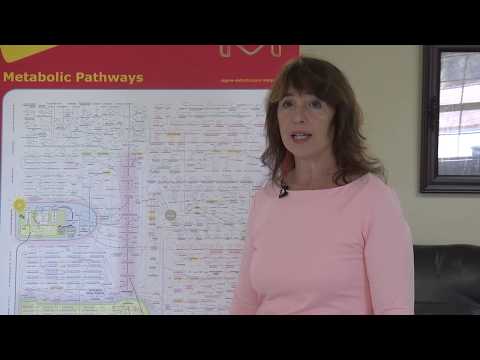
Dr. Colleen Huber continues her Cancer and Biochemistry series by examining asparagine, aspartate, and vitamin B6. She details how these nutrients drive the citric acid cycle for healthy mitochondrial function, support brain health and hormone balance, and help steer cellular metabolism away from cancer pathways. Huber highlights vitamin B6 as the critical factor enabling the body to produce these amino acids from common foods.

Vitamin B12 is crucial for the formation of healthy red blood cells and for proper DNA synthesis. Without sufficient B12, normal cellular metabolism can be impaired. This can contribute to diverting metabolism toward the cancer pathway. Maintaining adequate Vitamin B12 supports the healthy mitochondrial processes that help protect against cancer.

Biotin performs a function that is not often appreciated: the conversion of pyruvate directly to oxaloacetate, bypassing the normally essential molecule Acetyl CoA. There is more than one path into the mitochondria. Biotin enables this other pathway into the mitochondria. Without biotin or these other B vitamins you are forced into the cancer pathway.

Vitamin B5 is also known as pantothenic acid. It is crucial for the formation of Coenzyme A. Coenzyme A is necessary to form Acetyl CoA. Without enough Acetyl CoA, the traffic of metabolism is diverted over to the cancer pathway and the the lactic acid fermentation route.

Adenine used to be called Vitamin B4. This nutrient is critical to our building of DNA and RNA. Adenine is also necessary to make new cellular energy in the form of ADP and ATP. If we don’t have enough to make the ATP then the whole road gets closed off, and again metabolic traffic gets diverted over to the cancer pathway.

Dr. Colleen Huber continues her series on cancer biochemistry by explaining the critical roles of Vitamins B2 (riboflavin) and B3 (niacin) in preventing cancer. Referencing Nobel Prize winner Otto Warburg’s 1931 research, she states that the common cause of cancer is “irreversible injury of respiration” — meaning damage to the cell’s ability to produce energy through oxidative phosphorylation in the mitochondria.

We break down the biochemistry in this clear, eye-opening video: how thiamine pushes pyruvate toward healthy energy production instead of the lactic-acid cancer pathway, plus the best foods (fish, beans, asparagus & more) to keep levels topped up.